The Real Difference Is Not Price
The labels "hotel," "hostel," "guesthouse," and "B&B" get thrown around as if they were quality ratings. They are not. A hotel can be a 2.8-star beachfront block or a 4.8-star mountain lodge. A guesthouse can be a converted family home with better food than any restaurant in town. The category tells you how the place is run, not how good it is.
Star ratings are useful for amenities — elevators, pools, room service, on-site restaurants — but they say nothing about atmosphere. A business traveler who needs a 6 a.m. airport shuttle should pick a hotel. A couple who wants to eat homemade breakfast on a quiet terrace should pick a guesthouse. The mistake is booking the category that looks most impressive in a photo grid instead of the one that fits the trip.
Hotels: Predictability and Privacy
Hotels exist to make things easy. There is a front desk, usually staffed around the clock. There is housekeeping. There is a phone in the room if the Wi-Fi fails. You do not need to make small talk with the owner, and you do not need to worry about whether the front door locks at midnight. This predictability is worth paying for, especially on short trips or late arrivals.
What hotels rarely offer is a sense of place. The lobby could be in any city. The breakfast buffet is designed to offend no one. If you are spending most of your time outside the room and you value a quick, anonymous stay, that is fine. If you are traveling to actually experience a region, a hotel can feel like a barrier between you and it.
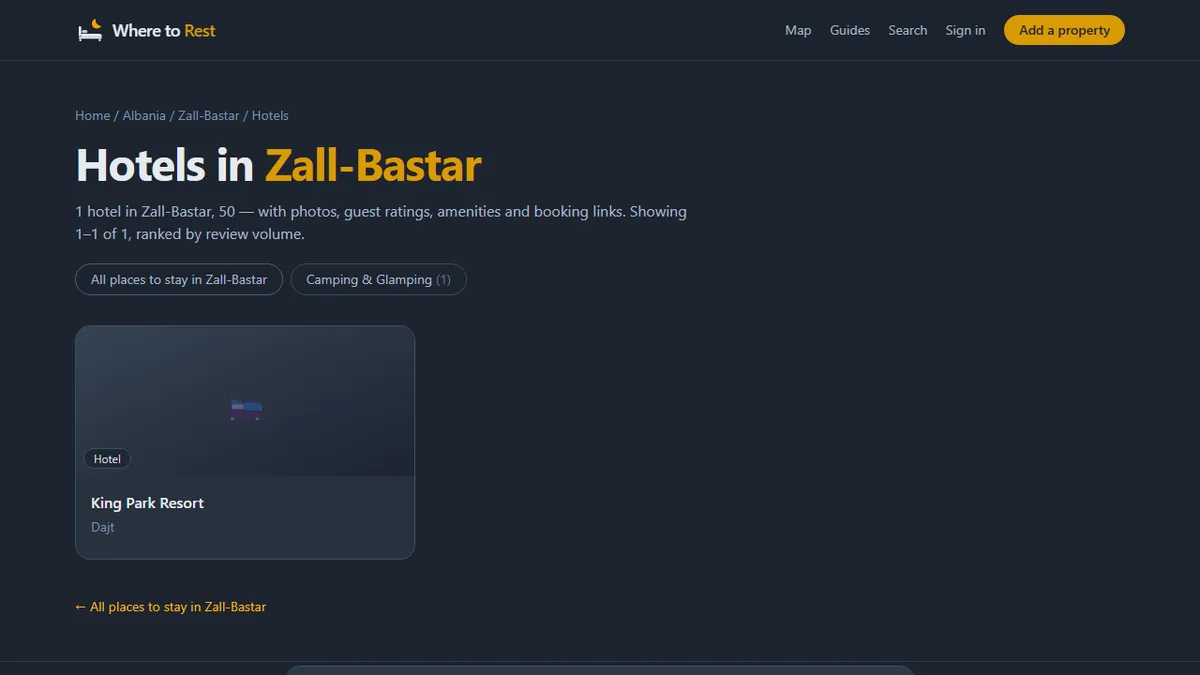
That is not to say all hotels are the same. The directory proves the range: browse hotels in Zall Bastar, for example, and you will see small-town properties that behave more like guesthouses, with modest ratings that reflect real trade-offs rather than poor service. The hotel label covers everything from roadside motels to full-service resorts.
Hostels: The Trade-Off Is Privacy, Not Quality
Hostels get a bad reputation because people picture bunk beds and all-night parties. The reality is more varied. Many hostels have private rooms, ensuite bathrooms, coworking spaces, and quiet hours. What they share is a social structure: common kitchens, shared dorms, group activities, and a staff that expects to answer questions about bus routes rather than room service.
The trade-off is privacy, not quality. You might queue for the bathroom in the morning, but you will also meet people over breakfast. For solo travelers, that is often worth more than a minibar. For couples or anyone who needs quiet to sleep, a shared dorm is a bad idea — but a private room in a hostel can be the best of both worlds.
Hostels also exist in places you might not expect. The directory lists hostels in Guachipas, a small Argentine town, which is a reminder that the category is not just for capital cities and backpacker trails. If a town has travelers, it probably has a hostel.
Guesthouses: The Middle Ground
Guesthouses sit between the anonymity of a hotel and the social pressure of a hostel. They are usually small, family-run, and offer private rooms at a price below a hotel. The bathroom might be down the hall. The owner might cook dinner for guests. There is no front desk in the traditional sense — you knock, someone lets you in, and they tell you where to park.
This is the category that rewards travelers who like talking to people. The owner knows which restaurant is actually good, which trail is not worth the hike, and whether you need a jacket in the evening. That local knowledge is the real product. The room is just the container.
Guesthouses often appear in smaller towns, where a full hotel would be overkill. If you are exploring a rural area, guesthouses in Nova Vida show how the category works outside tourist centres: small, personal, and tied to the place itself. They are not for everyone — some travelers want a key card, a gym, and a business centre. But for a multi-day stay in a region, a guesthouse can make the trip.
Bed and Breakfasts: Breakfast Is Not the Main Event
The name focuses on breakfast, but the real reason to book a B&B is the host. A good B&B is run by someone who lives in the house, knows the area, and has an opinion about what you should do. Breakfast is included, but it is usually served at a set time, at a shared table, and made from local ingredients. That is lovely when you are on holiday and less lovely when you have a flight to catch.
B&Bs tend to be in residential neighbourhoods or historic buildings rather than commercial strips. That means more character and less noise, but also more walking to get to restaurants or attractions. If you want to be in the middle of everything, a B&B is often not the right choice.
The other thing to know: a B&B is not a hotel with breakfast included. The reception is not 24 hours. The owner might not be on site all day. If you arrive late, you need to arrange it. If you want a 10 a.m. checkout and a 4 p.m. luggage hold, you need to ask. The flexibility goes both ways.
Match the Stay to the Trip, Not the Trend
The best way to choose is to answer a few questions before you look at photos.
Who are you traveling with? A solo backpacker needs different things than a family with two kids. A couple on an anniversary trip needs different things than three friends on a city break.
How long are you staying? One night in a hotel is fine. A week in a hostel dorm is exhausting. A week in a guesthouse with a kitchen is practical.
When will you arrive? If your flight lands at midnight, you need a 24-hour front desk. If you arrive at 4 p.m., a B&B works.
What do you want from the people who run the place? If you want to be left alone, pick a hotel. If you want recommendations and conversation, pick a guesthouse or B&B. If you want to meet other travellers, pick a hostel.
None of these answers is wrong. The mistake is booking a type because it looks good on Instagram or because a friend loved it for a completely different trip.
How to Compare Them Like a Pro
Once you know the category, compare within it. A 4.6-star hotel and a 4.6-star guesthouse are not the same experience, but a 4.6-star guesthouse is almost always better than a 3.8-star guesthouse in the same town, assuming the reviews match your needs.
Use directories that show property type and guest rating side by side. That lets you see whether the cheap option is cheap because it is a hostel or because it is genuinely bad. It also lets you spot outliers — a 4.8-star B&B that costs less than a mediocre hotel, or a resort with a high rating that is actually a 30-minute drive from the beach.
Read the reviews for your traveller type. A couple complaining about thin walls matters more to you than a solo traveller who loved the same room. Check the basics: reception hours, breakfast times, bathroom location, cancellation policy. Then book the category that fits the trip, and let the rating confirm the quality.