The Urge to Buy Everything at Once
Walk into any boxing gym for the first time and you will encounter a well-meaning instructor who hands you a list. Headgear. Heavy bag. Speed bag. Focus mitts. Jump rope. Boxing shoes. Groin guard. The list can easily run past $600 before you have thrown a single punch in earnest.
The problem is that most beginners quit within ninety days. Not because boxing is too hard, but because they signed up during a burst of motivation, bought a garage's worth of kit, and then discovered the sport did not fit their schedule or temperament. When they quit, that gear collects dust — or worse, gets sold at a fraction of its cost. The smarter approach is to treat month one as a trial period and limit spending accordingly.
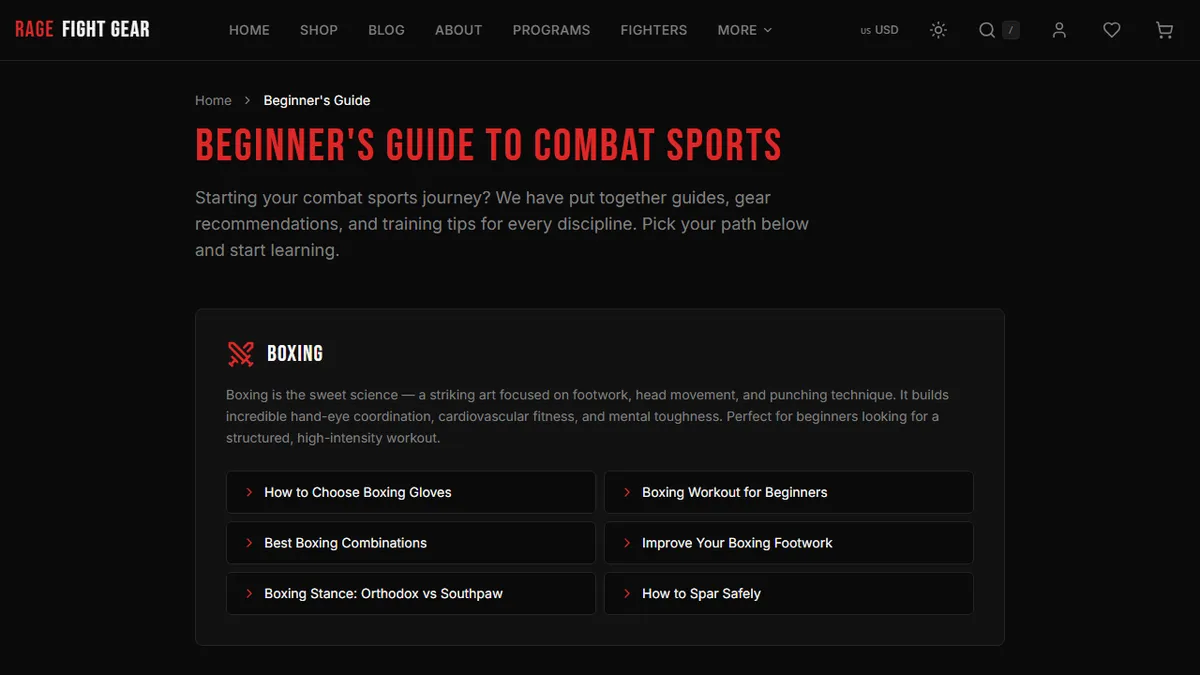
Following the complete beginner pathway for new boxers shows exactly how gear requirements evolve across the first year. The early stages demand less than most people assume.
The Non-Negotiables in Month One
Three items are genuinely essential from session one, and none of them should be skipped.
Boxing gloves. These protect your hands and your training partners. The oz weight matters enormously here (more on that shortly). For a beginner at a boxing gym or fitness-boxing class, a quality pair in the right weight is the single most important purchase.
Hand wraps. Gloves protect the outside of your hand; wraps protect the inside — specifically the small bones of the knuckles and the wrist joint under impact. Cotton wraps are inexpensive, durable, and reusable. Skip them and you are a jab-jab-cross away from a wrist injury that sidelines you for weeks.
Mouthguard. Even in non-sparring classes where contact is limited, an accidental elbow or pad strike can chip a tooth. A boil-and-bite mouthguard costs less than a dental visit and takes four minutes to fit. There is no rational argument against it.
What to Hold Off Buying
Headgear belongs in month two or three at the earliest, and only once you start sparring. Most beginner classes do not involve contact, and buying headgear before you need it means buying before you know what fit and style suit your head shape and training type.
A personal heavy bag is a month-three purchase at the earliest. Learning to punch on a bag before a coach has corrected your technique locks in bad habits. Gym bags are fine for the first several months. A home bag also requires ceiling height, appropriate mounting, and neighbours tolerant of rhythmic thumping — all of which deserve thought before purchase.
Boxing shoes are a genuine upgrade, but they are not a day-one necessity. Regular cross-training shoes work adequately for a beginner. Save the shoe budget for when you know you are committed.
The Oz Weight Question
Glove weight is one of the most misunderstood variables in the sport. The oz refers to the weight of the glove, which corresponds roughly to the amount of padding it contains. Heavier gloves have more padding, which protects your training partners in sparring but also slows your hands slightly.
For most adults starting boxing, a 14oz glove is the correct first choice. It provides enough padding for bag work and light pad work, fits the average adult hand at a standard wrapping thickness, and is accepted for most beginner sparring contexts. Smaller adults or those under around 60 kilograms might consider 12oz. Anyone who intends to spar regularly from early on should move toward 16oz. Understanding how glove weight affects training performance in each context is worth doing before you buy.
Buying 10oz bag gloves as your first pair is a common mistake. They feel exciting and fast, but the reduced padding is not appropriate for beginners whose technique (and impact management) is still being formed.
Gear Care from Day One
Two habits established early will double the usable life of your gloves. First, air them out after every session. Never leave gloves inside a bag or a sports locker while they are still damp with sweat. Moisture destroys the foam padding from the inside and creates a bacterial environment responsible for that persistent odour. A pair of glove dogs or cedar inserts left inside after training accelerates drying.
Second, wipe the exterior down with an antibacterial wipe after each use. This takes ninety seconds and prevents the surface degradation that makes leather or synthetic material crack prematurely.
Hand wraps should be washed after every session or two. Left damp in a gym bag, they become a source of skin bacteria that can cause issues — particularly on hot days.
A Practical Shopping Sequence
Week one purchases: One pair of quality 14oz boxing gloves ($50–$90), cotton hand wraps ($10–$15 for two pairs), and a boil-and-bite mouthguard ($15–$25). Total outlay: $75–$130.
Month two additions (only if continuing): A jump rope ($15–$30) and, if beginning pad work, focus mitts if training with a partner at home ($30–$50). These are optional — most gym classes provide them.
Month three and beyond: Headgear once sparring begins, a heavy bag if training at home becomes the primary plan, and boxing shoes if competing or training six days per week.
This sequence means that if boxing does not stick, you are out less than $130 and your investment was entirely appropriate to the level of commitment tested. If boxing does stick (and for many people it absolutely does), you have built the habit and knowledge base that makes every subsequent purchase a well-informed one.
The worst approach is buying the full kit on day one. The best approach is buying what session one demands, and adding gear only when training confirms you need it.